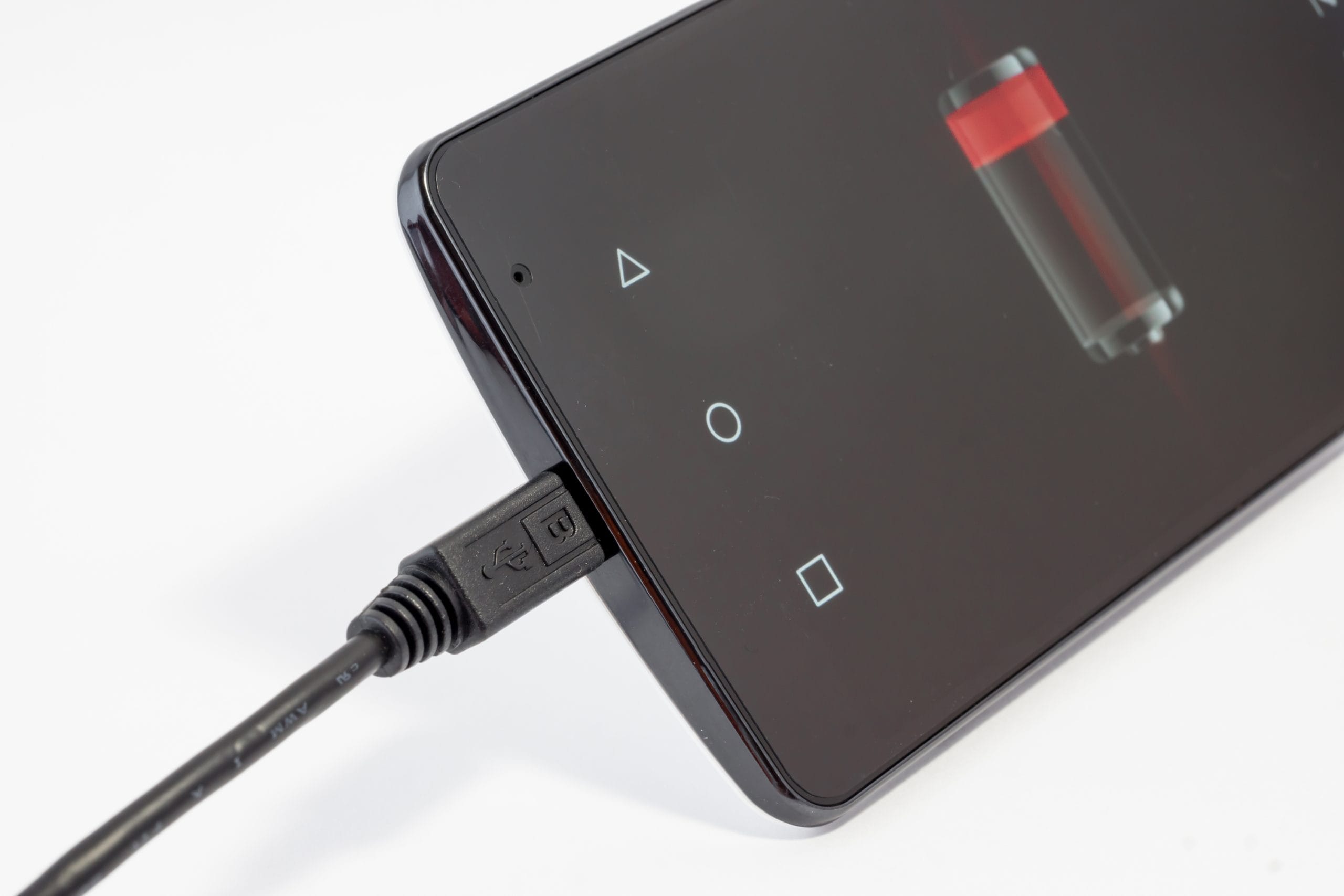
Android phones can slow down over time. The causes range from low resources to software issues and settings, but working through the fixes in order will usually bring back smooth performance. Here's a step-by-step guide.
Table of Contents
- Quick Fixes to Try First
- Check Apps and OS
- Check for Insufficient Resources
- Settings and Environment Issues
- If Nothing Else Works
- Summary: Recommended Order
Quick Fixes to Try First
Restart Your Device
The simplest and most effective first step. A restart clears temporary data from memory and stops lingering processes that may be slowing things down. If you haven't restarted in a while, this alone can make a noticeable difference.
Clear Cache for All Apps
App caches build up over time and can slow things down. Go to "Settings" → "Storage" → "Cached data" (on some devices) to clear cache for all apps at once. On newer Android versions, you may need to clear cache individually per app under "Settings" → "Apps."
Use Your Phone's Built-in Cleanup Tool
Many Android phones include a built-in storage/performance cleanup tool (e.g., Samsung's "Device care," Xiaomi's "Security" app). These can clear junk files, close background processes, and optimize memory in one tap.
Check Apps and OS
Check for App and OS Updates
Outdated apps and OS versions can cause sluggish performance. Open the Play Store to check for app updates, and go to "Settings" → "System" → "System update" for OS updates. Updates often include performance optimizations and bug fixes.
Uninstall Unused Apps
Apps you never use still consume storage and may run background processes. Go to "Settings" → "Apps" and remove anything you don't need. Pay special attention to pre-installed apps and trial software — some can be disabled even if they can't be fully uninstalled.
Check for Insufficient Resources
Low Memory (RAM)
Devices with limited RAM struggle to keep multiple apps running smoothly. If your phone slows down when switching between apps, low memory is likely the cause. Close apps you're not using and limit the number of apps running simultaneously.
Low Storage
When storage is nearly full, the system can't create temporary files efficiently, leading to slowdowns. Check "Settings" → "Storage" and aim to keep at least 10–15% of total storage free. Delete unnecessary photos, videos, and downloaded files.
Use Files by Google to Clean Up Storage
Files by Google is a free app that helps you identify and remove junk files, duplicate photos, large files, and unused apps. It provides personalized cleanup suggestions and is especially useful on devices that don't have a robust built-in cleanup tool.
For more detailed storage cleanup, see: How to Free Up Android Storage
Settings and Environment Issues
Limit Background Apps
Apps running in the background consume memory and CPU. Go to "Settings" → "Apps" and check which apps have unrestricted background activity. Restrict background usage for apps that don't need to be always running. On some devices, Developer Options includes a "Background process limit" setting.
Disable Animations and Effects
Transition animations make the UI feel polished but use processing power. You can speed things up by reducing or disabling them. Enable Developer Options (tap "Build number" 7 times in "About phone"), then go to "Developer options" and set "Window animation scale," "Transition animation scale," and "Animator duration scale" to 0.5x or off.
Reduce Widgets and Live Wallpapers
Widgets that constantly update (weather, news, social media) and live wallpapers consume resources continuously. Removing widgets you don't check often and switching to a static wallpaper can free up processing power.
Check Battery Saver Mode
Battery saver mode intentionally limits CPU speed and background activity. If it's left on all the time, it can make your phone feel sluggish. Check "Settings" → "Battery" to see if battery saver is enabled and consider turning it off when you don't need it.
Check Wi-Fi and Network Connection
A slow or unstable network can make apps feel unresponsive. Try toggling Wi-Fi, restarting your router, or switching to mobile data to see if performance improves.
Check for Viruses and Malware
Malware can silently consume resources in the background, causing persistent slowdowns. Run a scan with Google Play Protect (Play Store → your profile icon → "Play Protect") or a reputable security app. Avoid installing apps from unknown sources.
For related troubleshooting, see: How to Fix Android Apps That Keep Crashing / How to Fix Android Battery Drain
If Nothing Else Works
Factory Reset Your Device (Last Resort)
If you've tried everything and your phone is still slow, a factory reset is the last resort. This erases all data on your device. Back up to Google Drive or your computer first. Go to "Settings" → "System" → "Reset options" → "Erase all data (factory reset)."
Contact Support
If the problem persists after a reset, the hardware itself may be aging or defective. Contact your phone manufacturer's support for further help.
Summary: Recommended Order
Here's a summary of the fixes in the order you should try them.
- Restart your device
- Clear cache for all apps
- Use the built-in cleanup tool
- Check for app and OS updates
- Uninstall unused apps
- Check memory and storage
- Use Files by Google for cleanup
- Limit background apps
- Disable animations and effects
- Reduce widgets and live wallpapers
- Check battery saver mode
- Check Wi-Fi and network
- Scan for malware
- Factory reset (last resort)
- Contact support
In most cases, restarting, clearing cache, and updating will bring back decent performance. For persistent slowdowns, adjusting settings and freeing up resources should help.